
Meditation is a phenomenon that has accompanied humanity for millennia. One of the oldest manuals concerning the search for answers to the existential questions of our lives, the development of human consciousness, and spirituality is a book from India called the Vigyan Bhairav Tantra. We do not know exactly, but it is estimated that these teachings were passed down orally for nearly 5,000 years. The written record dates back to approximately the 8th century AD. This book is neither intellectual nor philosophical. It contains no doctrine, but rather 112 meditation techniques for different types of people and their modalities. It does not deal with why things are, or what the truth is, but rather with how to reach the truth.
The word tantra translates to technique or method. This word appears in the modern world, sounding mysterious to the layperson, and has been appropriated and misused by the sex industry. It occasionally appears in the offerings of various workshops that work with sexuality. I do not wish to judge the “purity of intent” or what they actually do here. In my practice, I return to the original essence of tantra as a meditative science. For me, tantra is a path of awareness—a systematic approach to moving from the mind to the heart. We do not work with these ancient techniques as a tool focused on sexuality, but as a way to transform energy, expand consciousness, and achieve a state of inner peace and presence.
In reality, tantra is a science; the method and technique are what matter, and experience becomes the focus. And why do I even begin a discourse on meditation with a 5,000-year-old text? It is because the basic principles of what we experience, how we perceive, and how we create an image of the external and internal world remain the same, regardless of the vast social and technological progress humanity has made. We use the same modalities, experience the same emotions, and have the same feelings as our ancient predecessors. We seek answers to questions about the meaning of our lives, our place in the world, and our connection with others and nature; we are confronted with the impermanence of life and seek a connection with something that might exist—something that transcends us, something permanent and unwavering.
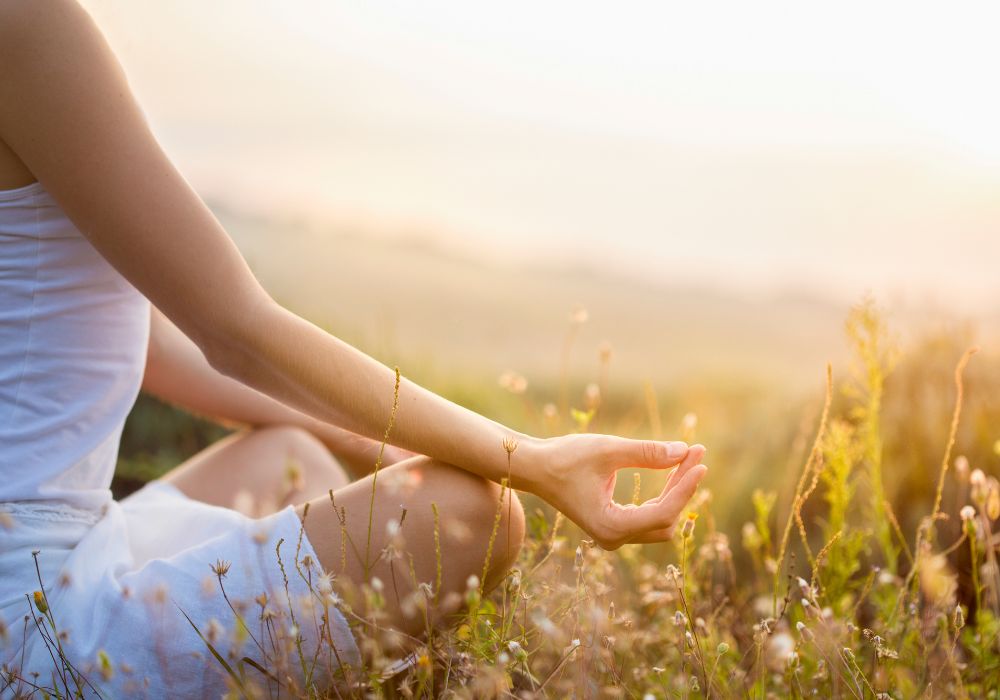
Meditation (referring here to the method) has been and still is present in many spiritual schools, both theistic and atheistic. Meditation is most often associated with sitting in the lotus position with eyes closed—everyone has surely seen a statue of Buddha sitting and meditating.
Through meditation, we awaken and cultivate the ability to experience the present moment here and now; we carry this specific form of experiencing into everything we normally do, whether we are chopping wood, washing dishes, running in the park, driving a car, or planting flowers. There are activities where it is easy to maintain our attention, and there are activities where it is difficult. But all of this is part of a gradual learning process. The modern meditation techniques I use are based on these ancient teachings but have been designed and adapted to our lifestyle and current needs—these are known as dynamic meditations. The techniques last an hour, have different phases, and work with movement, breathing, dancing, singing, sitting in silence, and relaxation. Meditation (referring here to the process) does not require faith, knowledge of Eastern philosophy, or deep conviction, but it does require determination, patience, lightness, playfulness, and a drop of trust and courage. Meditation is not contemplative thinking, nor is it a search for states of bliss, rapture, or ecstasy. Through meditation, we deepen our ability to calm down, to reflect, and to become aware of what is happening within us—what is happening in our physical body, what emotions we are experiencing, what feelings we have, and what is going on in our thoughts. Meditation is not a miracle cure-all; it does not serve as a substitute for medical treatment or therapy. However, it is important to mention that regular meditation practice has a wide range of positive effects on human life and health. A great deal of scientific research has been conducted in this area, and many books, articles, and scientific conclusions are available.
During meditation, various internal states may arise; we do not cling to these experiences or identify with them. If it is something that persists and that you perceive as an obstacle on your path, it is good to talk about it.